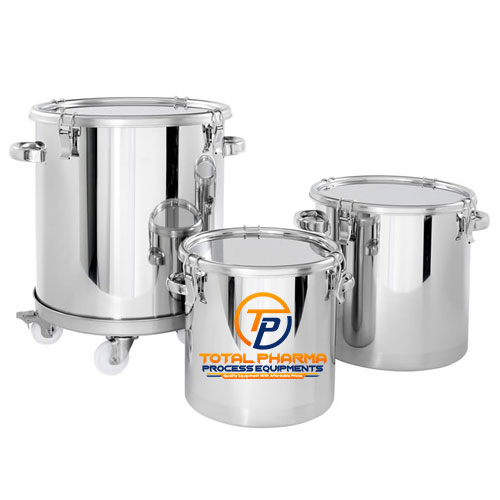
Sizes: Ranging from a few liters to around 20 liters.
Uses: Small stainless steel containers are often used for the storage and transportation of smaller quantities of raw materials, intermediates, or final products within the pharmaceutical manufacturing facility.
Intermediate-Sized Containers:
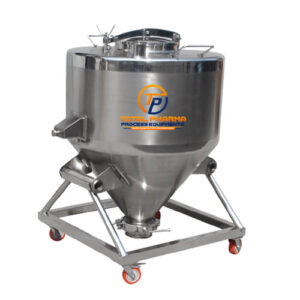
Sizes: Between 20 liters and 200 liters.
Uses: Intermediate-sized containers are suitable for the storage of larger quantities of raw materials, mixing and blending processes, and various stages of pharmaceutical production.
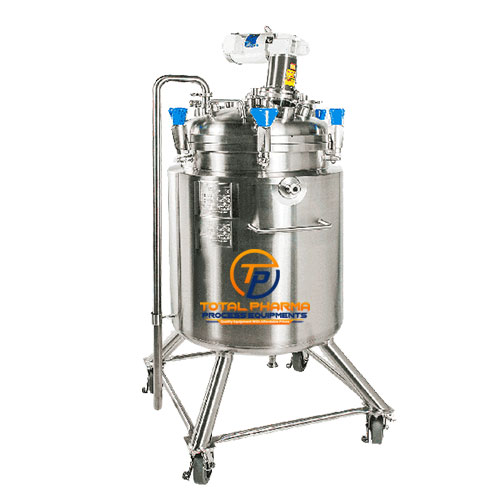
Large Process Vessels:
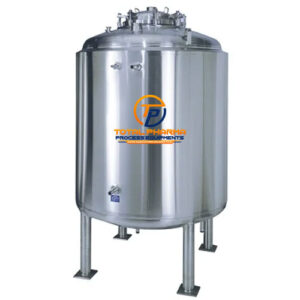
Sizes: Beyond 200 liters, going up to several thousand liters.
Uses: Large stainless steel vessels are employed in pharmaceutical manufacturing for processes like fermentation, reaction vessels, and bulk storage of liquid products.
Custom Sizes:
Sizes: Customized based on specific requirements.
Uses: Some pharmaceutical processes may require containers of unique sizes and configurations to meet specific production needs.
Advantages: Stainless steel containers offer excellent corrosion resistance, ensuring that the material does not corrode or contaminate pharmaceutical products.
Durability:
Advantages: Stainless steel is durable and can withstand harsh processing conditions, providing a long lifespan for the containers.
Cleanability:
Advantages: Stainless steel surfaces are smooth and non-porous, making them easy to clean and sterilize, critical for maintaining a sterile manufacturing environment.
Temperature Resistance:
Advantages: Stainless steel can withstand a wide range of temperatures, making it suitable for processes that involve heating, cooling, or extreme temperature conditions.
Chemical Compatibility:
Advantages: Stainless steel is inert and does not react with pharmaceutical products, ensuring the integrity and stability of the drugs.
Regulatory Compliance:
Advantages: Stainless steel containers are designed to meet regulatory standards and requirements in the pharmaceutical industry, ensuring compliance with safety and quality standards.
Versatility:
Advantages: Stainless steel containers come in various shapes and sizes, providing versatility for different applications within the pharmaceutical manufacturing process.
High Strength:
Advantages: Stainless steel containers offer high tensile strength, making them capable of withstanding internal pressures in processes such as fermentation.
Aseptic Design:
Advantages: Containers can be designed with features that support aseptic processing, minimizing the risk of contamination during pharmaceutical production.
Recyclability:
Advantages: Stainless steel is recyclable, aligning with environmental sustainability goals.



Reviews
There are no reviews yet.