Heat exchangers come in various sizes, often characterized by the surface area available for heat transfer. Larger surface areas generally allow for higher heat transfer rates.
Capacity:
Heat exchangers are available in a range of capacities, from small units suitable for residential HVAC systems to large industrial heat exchangers used in power plants and manufacturing facilities.
Flow Rate:
The size of a heat exchanger is influenced by the flow rates of the fluids involved. Larger flow rates may require larger heat exchangers to ensure effective heat transfer.
Compactness:
Some heat exchangers are designed to be compact, allowing for efficient use of space in applications where space is limited.
Heat exchangers contribute to energy efficiency by recovering and reusing heat from exhaust gases or waste streams, reducing the overall energy consumption of a system.
Temperature Control:
Heat exchangers enable precise temperature control in various processes, ensuring that fluids are heated or cooled to the desired temperatures.
Reduced Operating Costs:
By recovering and reusing heat, heat exchangers can lead to reduced operating costs, especially in applications where energy costs are significant.
Compact Design:
Some heat exchangers are designed to be compact, making them suitable for applications with space constraints.
Customization:
Heat exchangers can be customized for specific applications, taking into account factors such as the type of fluids involved, temperature requirements, and space limitations.
Diverse Applications:
Heat exchangers find applications in a wide range of industries, including HVAC systems, chemical processing, power generation, refrigeration, and automotive.
Improved Heat Transfer:
Modern heat exchangers are designed to maximize heat transfer efficiency, often incorporating features such as fins, turbulators, and optimized flow patterns.
Material Compatibility:
Heat exchangers can be constructed from various materials, including metals (such as aluminum, copper, and stainless steel) and non-metals (such as plastics), based on the compatibility with the fluids being processed.
Low Maintenance:
Well-designed heat exchangers require minimal maintenance, contributing to the reliability and longevity of the equipment.
Scalability:
Heat exchangers can be scaled up or down to accommodate different heat exchange requirements, making them versatile for various applications.
Ease of Installation:
Many heat exchangers are designed for easy installation, with standardized connections and fittings.
Heat Recovery:
Heat exchangers are used for heat recovery applications, capturing and utilizing waste heat to improve overall system efficiency.
Versatility:
Heat exchangers are versatile and can be used for heating or cooling fluids in both liquid and gas phases.
Reduced Environmental Impact:
By promoting energy efficiency and heat recovery, heat exchangers contribute to the reduction of greenhouse gas emissions and overall environmental impact.
Improved Process Control:
Heat exchangers play a crucial role in maintaining consistent temperatures in industrial processes, contributing to better process control and product quality.
Long Service Life:
Heat exchangers, when properly designed and maintained, can have a long service life, providing reliable heat exchange over an extended period.
Heat Integration:
In some industrial processes, heat exchangers facilitate heat integration, where heat from one part of the process is used to meet the heating requirements of another part.
Reviews
There are no reviews yet.
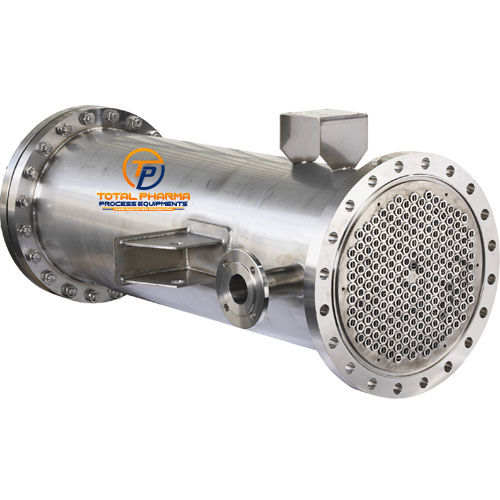
Be the first to review “HEAT EXCHANGER” Cancel reply




Reviews
There are no reviews yet.